
ModDetect® Panels
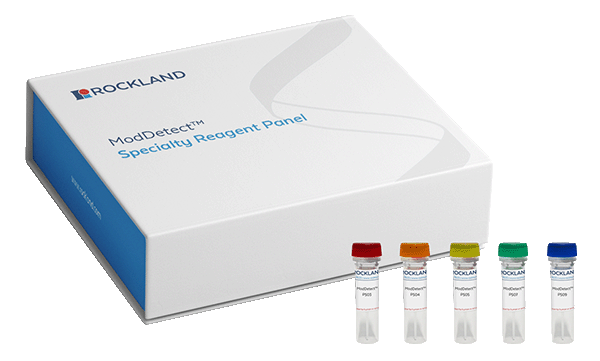
Rockland's ModDetect® panels are ready-to-use, immunoassay-based reagents designed to detect specific chemical modifications in oligonucleotide therapeutics, independent of sequence or modification position. antibodies-online is proud to offer ModDetect® panels worldwide, providing international researchers direct access to these products with the support of a trusted European distribution partner.
What Are ModDetect® Panels?
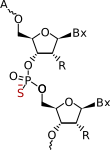
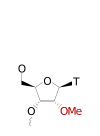
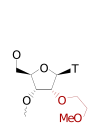
ModDetect® panels comprise monoclonal antibody reagents directed against specific chemical modifications found in oligonucleotide therapeutics, including phosphorothioate (PS) backbone linkages and 2′ sugar modifications such as 2′-O-methoxyethyl (2′-MOE) and 2′-O-methyl (2′-OMe). Because these antibodies recognize the chemical modification itself rather than the nucleic acid sequence, they can be applied across diverse oligonucleotide candidates, such as ASOs, siRNA, mRNA, and aptamers, without the need for sequence-specific probe development.
Panel formats available:
- Unconjugated: for standard immunofluorescence, IHC, and ELISA workflows
- Biotinylated: for sandwich ELISAs, streptavidin-based capture assays, and other biotin-mediated formats
Both formats are compatible with established immunoassay platforms including ELISA, immunocytochemistry (ICC), and immunohistochemistry (IHC), making ModDetect® panels straightforward to integrate into existing preclinical workflows.




ModDetect Performance Data
Intracellular Localization of PS-Modified ASOs
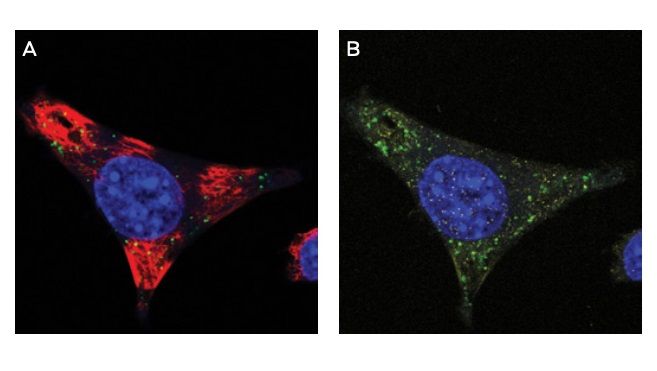
ModDetect PS panel reagents enable clear visualization of phosphorothioate-modified ASOs within cells. Using clone PS05, punctate cytoplasmic staining consistent with endosomal accumulation was observed in oligonucleotide-treated mouse glioma cells, with no signal in vehicle-only controls. This data illustrates how ModDetect antibodies support cellular uptake and trafficking assessments without the need for labeled or sequence-specific probes.
Figure 1. Immunofluorescence using ModDetect reagent PS05 in mouse glioma cells treated with a PS-modified oligonucleotide therapeutic. Alpha-tubulin (red); PS05 (green). PS05 used at 1:2,000 dilution. Punctate cytoplasmic staining is consistent with endosomal storage.Combined Detection of PS and 2′-MOE Modifications In Vivo
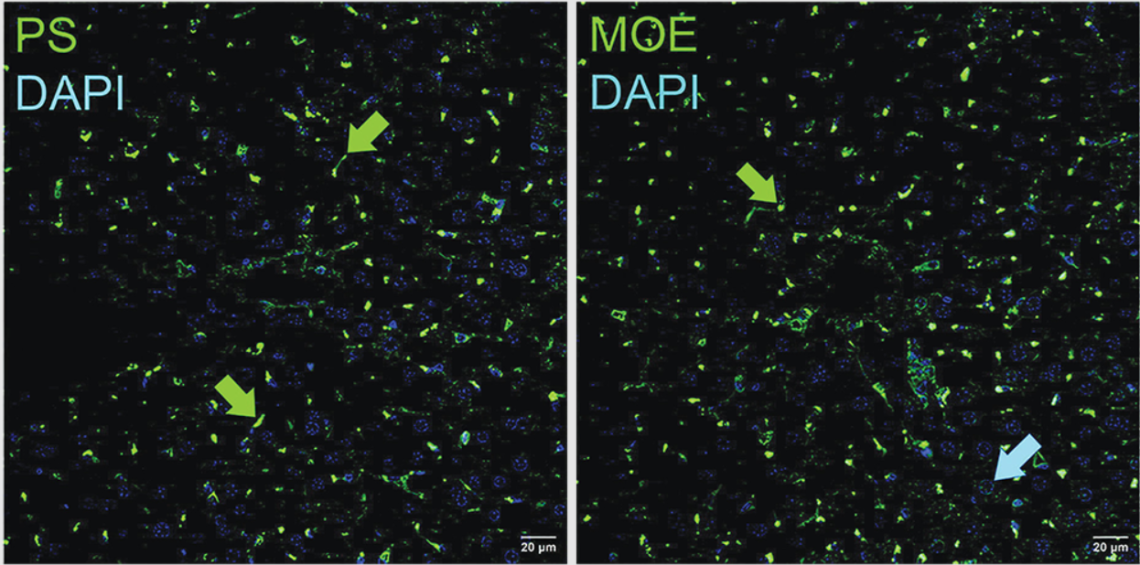
Many oligonucleotide therapeutics incorporate more than one chemical modification, and ModDetect panels are designed to support this complexity. Anti-PS (clone PS03) and Anti-MOE (clone MOE4) antibodies were used together to detect a 2′-MOE-modified ASO 5-10-5 gapmer following subcutaneous delivery in mice. Both antibodies produced strong, specific staining consistent with the expected biodistribution of the dual-modified ASO, confirming that ModDetect reagents from different panels can be used in combination within a single workflow.
Figure 2. Dual immunofluorescence detection of a PS/2′-MOE dual-modified ASO gapmer in mouse tissue following subcutaneous delivery (50 mg/kg, 72 h). Anti-PS clone PS03 and Anti-MOE clone MOE4 applied in combination.Cytoplasmic Distribution of 2′-OMe–Modified siRNA in Liver Cells
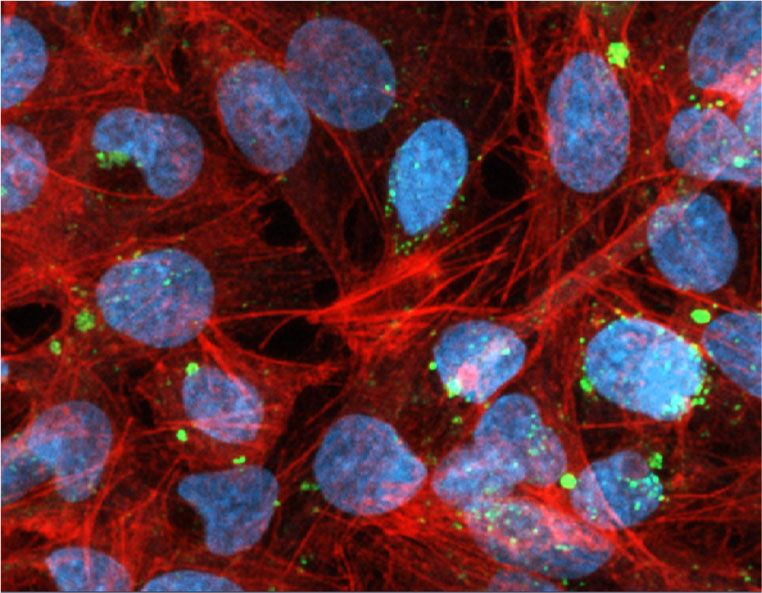
ModDetect 2′-OMe panel reagents support detection of OMe-modified oligonucleotides in physiologically relevant cell models. In HepG2 human hepatoblastoma cells, lumasiran siRNA was detected using clone OME3, with punctate cytoplasmic staining consistent with endosomal entrapment. Co-staining with phalloidin and DAPI provided structural context relative to the actin cytoskeleton and nuclei, supporting confident interpretation of intracellular distribution patterns.
Figure 3. Immunofluorescence detection of lumasiran siRNA in HepG2 cells using ModDetect Anti-2′-OMe clone OME3. Co-stained with phalloidin (cytoskeleton) and DAPI (nuclei).Available ModDetect® Panels
ModDetect® Phosphorothioate Panel
ABIN7675637
ModDetect® Phosphorothioate Biotinylated Panel
ABIN7675638
ModDetect® 2'-O-Methyl (2'OMe) Panel
ABIN7675641
ModDetect® 2-Methoxyethyl (2'MOE) Panel
ABIN7675639
ModDetect® 2-Methoxyethyl (2'MOE) Biotinylated Panel
ABIN7675640
Complement Your ModDetect Workflow with Subcellular Markers
Co-staining ModDetect® antibodies with compartment-specific subcellular markers strengthens data interpretation by providing structural context for localization findings. Endosomal, lysosomal, cytoskeletal, and nuclear markers are available through antibodies-online and have been used alongside ModDetect® reagents in ICC and immunofluorescence workflows to confirm intracellular distribution, assess trafficking, and support publication-ready imaging data.
Related Products and Resources
- Discover All Moddetect® Panels
- Download Method Paper - Methods for Analysis of Oligonucleotide Drugs
- Subcellular Markers


